
Finnchain Helps Extend Membrane Life and Reduce Desalination OPEX
In seawater desalination, the lifespan of expensive reverse osmosis (RO) membranes and the overall energy efficiency of the plant are largely determined during the mechanical pretreatment stage. Finnish water technology company Finnchain has become an international leader in this field by utilizing corrosion-resistant material technologies, including engineered plastics and composite materials, in its chain scraper systems. With more than 300 desalination installations delivered worldwide, the company has demonstrated that the right material choices can generate significant savings both in new-build projects and demanding retrofit applications.
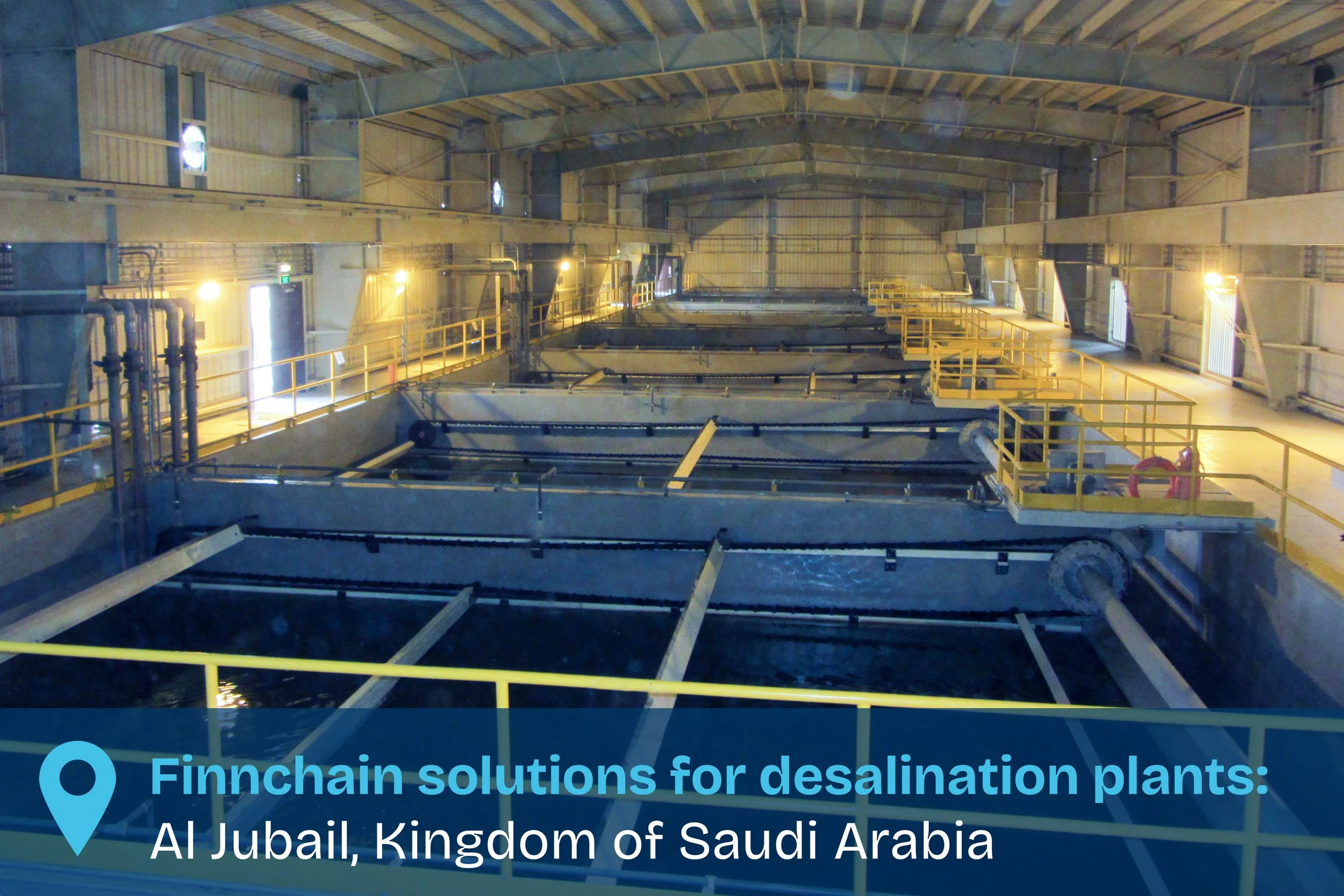
Desalination is playing an increasingly important role in securing water supplies for both industry and growing communities. Yet the sector continues to face two major challenges – controlling operating expenditure (OPEX) and ensuring long-term equipment durability in highly corrosive seawater environments. Material selection remains a critical consideration, as operators seek to balance corrosion resistance, reliability and lifecycle costs.
Within the water production process, Finnchain operates at the very beginning of the treatment chain. The company has addressed these challenges by replacing heavy metal components with corrosion-resistant plastic and composite alternatives wherever possible. Its scraper systems are already operating in more than 300 desalination facilities worldwide, ensuring reliable performance in the beginning of the process.
“Climate change and recurring droughts mean that traditional freshwater sources can no longer meet the needs of societies and industry. A reliably operating desalination plant is not merely an industrial investment. It is essential infrastructure that supports regional water security, economic activity, and everyday life,” says Krister Stenbom, CEO of Finnchain.
“Desalination is often viewed primarily as a solution for coastal cities, but its applications are much broader. The process removes dissolved salts and minerals from water through membrane technologies, thermal processes or electrochemical methods. As a result, desalination-related technologies are equally relevant for inland brackish water treatment and advanced water reuse applications.”
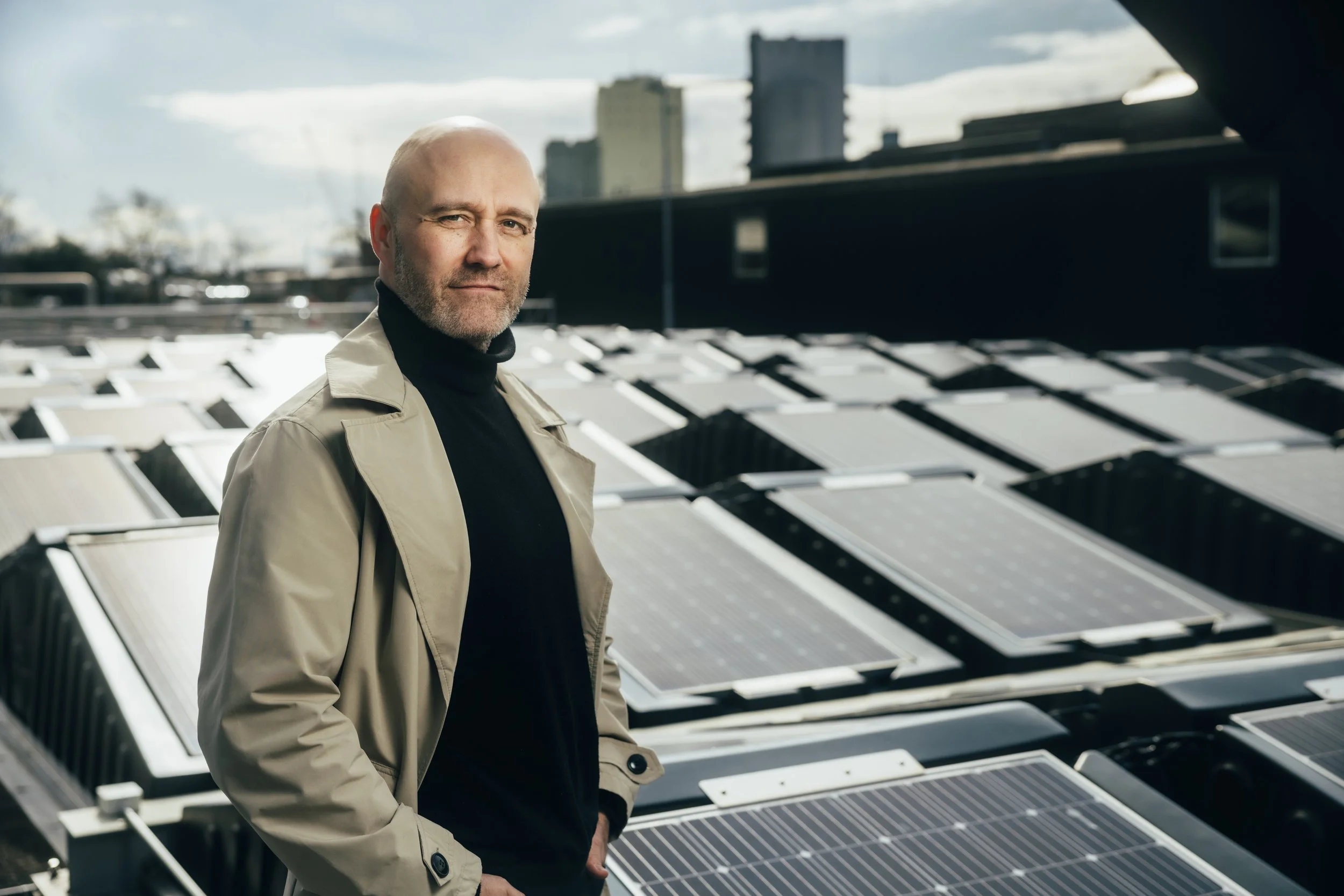
Krister Stenbom, CEO of Finnchain
Reliable Pretreatment Protects Expensive Assets
When discussing desalination plant performance, attention typically focuses on the reverse osmosis stage. This often creates the misconception that RO membranes themselves are inherently problematic and require constant maintenance. In reality, the root cause of most membrane issues can be traced back to the beginning of the process. If pretreatment fails, organic matter reaches the membranes, causing fouling and damage.
Dissolved air flotation (DAF) systems and their surface scraping mechanisms play a critical role in removing organic matter and sludge before the water reaches downstream treatment stages. When organic contaminants pass through pretreatment, membrane fouling accelerates, leading to frequent cleaning cycles, potential production interruptions, and premature membrane replacement.
“Many consider reverse osmosis membranes to be the weak link in the process, but the real focus should be on the very beginning of the treatment chain. If DAF systems and surface scrapers fail to efficiently remove organic matter, costly membrane systems quickly become fouled and damaged. When mechanical pretreatment performs flawlessly, the entire plant benefits through improved performance and reduced maintenance downtime,” Stenbom explains.
This is where Finnchain’s core expertise becomes valuable. The company’s scraper systems remove sludge and organic loading with precision and consistency.
“When mechanical cleaning performs exactly as required, downstream processes remain clean and efficient. Lightweight yet durable components create a reliable system that protects major equipment investments from premature wear and costly production interruptions.”
Lighter Systems Deliver Energy Savings
Warm seawater, high salinity, and intense UV exposure place extreme demands on materials. Traditionally, corrosion resistance has been achieved through the use of premium stainless steels such as Duplex and Super Duplex grades. While these materials remain highly reliable and continue to be utilized by Finnchain where required, they also increase system weight and, consequently, operational energy consumption.
Energy is typically the single largest operating cost in a desalination plant and can account for up to half of the final cost of produced water. Global energy market volatility, rising electricity prices, and increasing pressure to reduce carbon footprints have made energy efficiency a key performance criterion. Every kilowatt-hour saved matters.
To address this challenge, Finnchain continuously develops solutions that reduce mechanical load and improve operational efficiency.
“By replacing heavy specialty steels with lightweight, corrosion-resistant plastic and composite materials whenever possible, we reduce the torque required from drive motors and consequently lower energy consumption. In large-scale desalination facilities operating around the clock, even small efficiency gains accumulate into substantial lifecycle savings. At the same time, reduced mechanical stress extends equipment lifespan by decades,” says Stenbom.
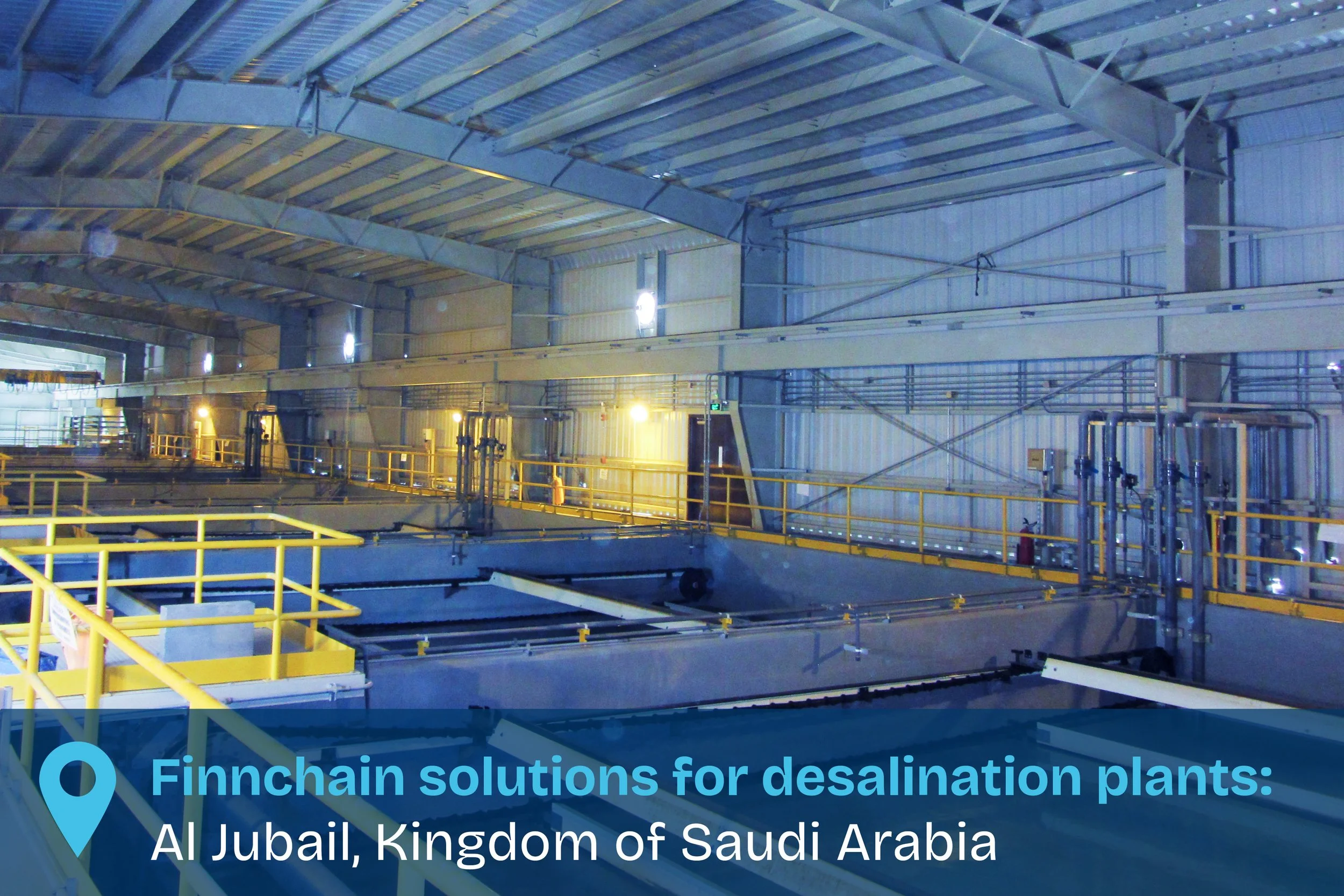
Performance for Both New-Build and Retrofit Projects
Ensuring long-term water security requires not only new investments but also the modernization and optimization of existing infrastructure. In retrofit, rehabilitation, and upgrade projects, existing tank structures often impose strict physical constraints on new technology installations.
One of the key advantages of Finnchain’s scraper systems is their scalability and adaptability. Systems can be tailored to existing tank dimensions and process requirements without costly civil works or concrete modifications. This makes the technology a cost-effective option when replacing aging scraper systems reaching the end of their service life.
”Every Finnchain system is engineered to meet the exact requirements of each installation.”
The same flexibility extends to specialized applications, whether in coastal seawater desalination plants, inland brackish-water facilities, or advanced water reuse projects supporting circular economy goals.
“In critical infrastructure projects, shortcuts in design or material selection often become extremely expensive because of accelerated wear and unplanned downtime. Every Finnchain system is engineered to meet the exact requirements of each installation. As one example, we originally had custom-made screws manufactured in Italy specifically for desalination applications because suitable materials were available through established suppliers there,” says Stenbom.
A Trusted Global Partner for Demanding Applications
Finnchain’s journey in desalination began through cooperation with its Spanish distributor and partner Ecotec. The companies continue to work closely together, combining their expertise to further develop solutions for the sector. The first Finnchain scraper system for a desalination plant was delivered in 2012. By 2026, the company had supplied scraper systems to more than 300 desalination facilities worldwide.
“Our partnership with Ecotec is an excellent example of how close collaboration creates value. Both companies bring specialized expertise to the table. We actively develop solutions together, with a shared focus on meeting not only today’s requirements but also the needs of future generations of desalination facilities,” says Stenbom.
One of Finnchain’s most recent major projects was delivered to Alkimos, near Perth on Australia’s west coast. The region has experienced declining rainfall over recent decades while its population continues to grow. Perth’s population is expected to surpass three million during the 2030s. The new desalination facility was equipped with 36 Finnchain scraper systems and will produce approximately 50 billion liters of drinking water annually from seawater.
“The customer had extremely demanding specifications and selected Finnchain because of our proven track record in meeting strict technical requirements. For this project, all metallic components were manufactured from Super Duplex stainless steel. Not everything can be sourced off the shelf, but fortunately we have the experience, engineering expertise, and supplier network needed to deliver,” says Gerald Dippacher, Sales Manager at Finnchain.
“We actively develop solutions together, with a shared focus on meeting not only today’s requirements but also the needs of future generations of desalination facilities.”
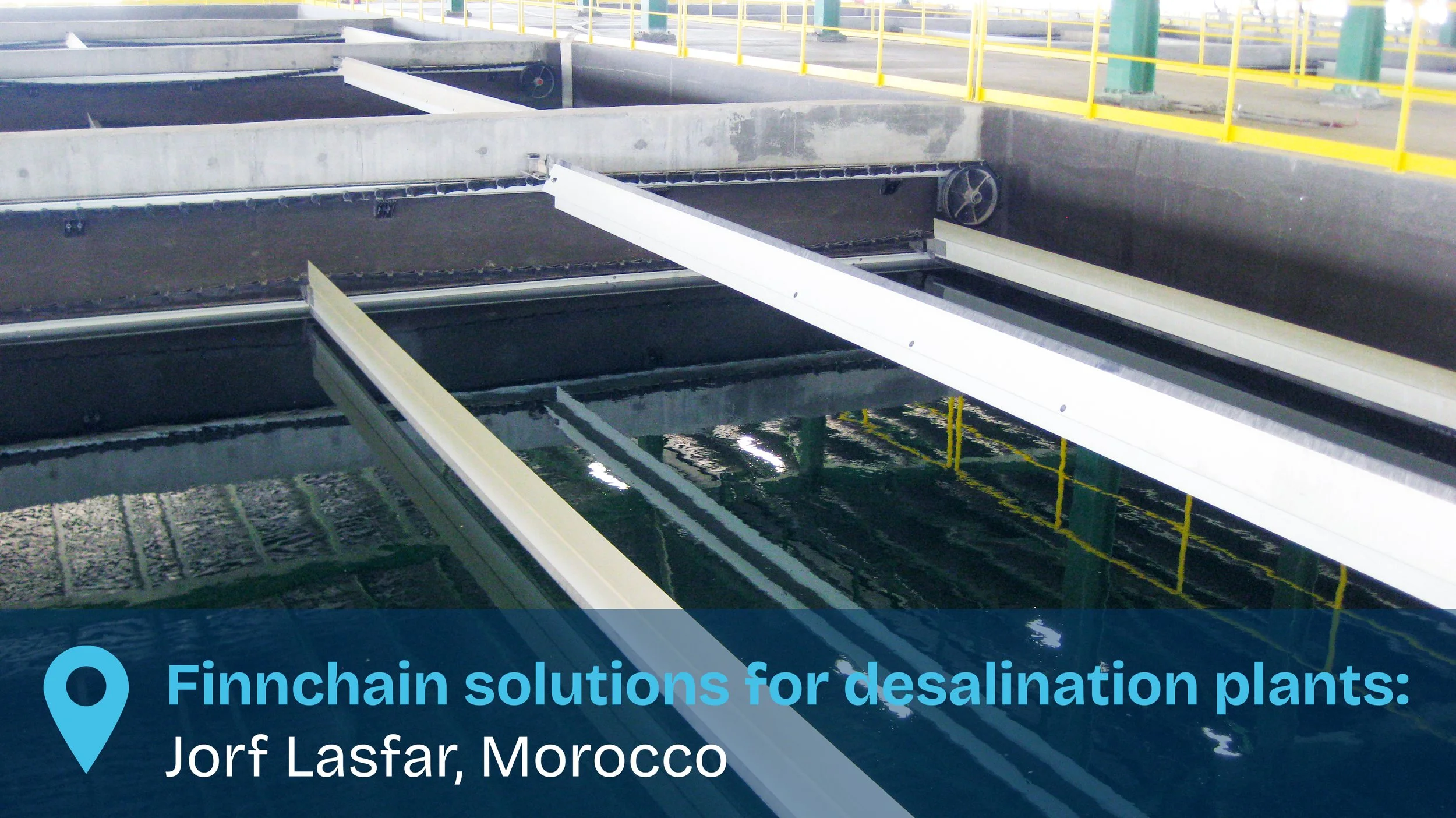
Finnchain has supplied various chain scraper systems to Australia since the 1990s. The previous major delivery before Alkimos was completed in 2024. The company’s first Super Duplex desalination project was delivered to Morocco in 2012, followed by installations in Saudi Arabia, Oman, Qatar, Singapore, India, Chile, Algeria, Senegal, the United Arab Emirates, and Kazakhstan.
“We were among the pioneers in applying Super Duplex scraper solutions for desalination. Competitors have followed, but we continue to perform strongly because of our quality. Customers know our systems will last 20 years or more. We use high-quality materials and components, apply patented technical solutions, and continuously develop our products to perform even better,” Dippacher notes.
More than 300 desalination installations and over two decades of sector experience have demonstrated that high-quality, reliable Finnish engineering remains the most economical choice in the long term.
“When building critical infrastructure, pretreatment should never be left to chance. Investing in quality and application-specific solutions pays off throughout the lifecycle of the plant. Finnish reliability, transparency, and engineering excellence are values our customers continue to trust year after year. Everything we do is focused on maximizing performance in the world’s most demanding operating environments,” Stenbom concludes.
Read also Clearly the Best in Water Treatment – Finnish Creativity and Courage Driving Sustainable Infrastructure article here.